Author: admin

  • When Do You Actually Need a Crane on the Jobsite?

    When Do You Actually Need a Crane on the Jobsite?

    A crane is not just for high-rises. On residential and light-commercial jobs, the right crane at the right moment saves labor, protects your crew, and keeps the schedule intact.

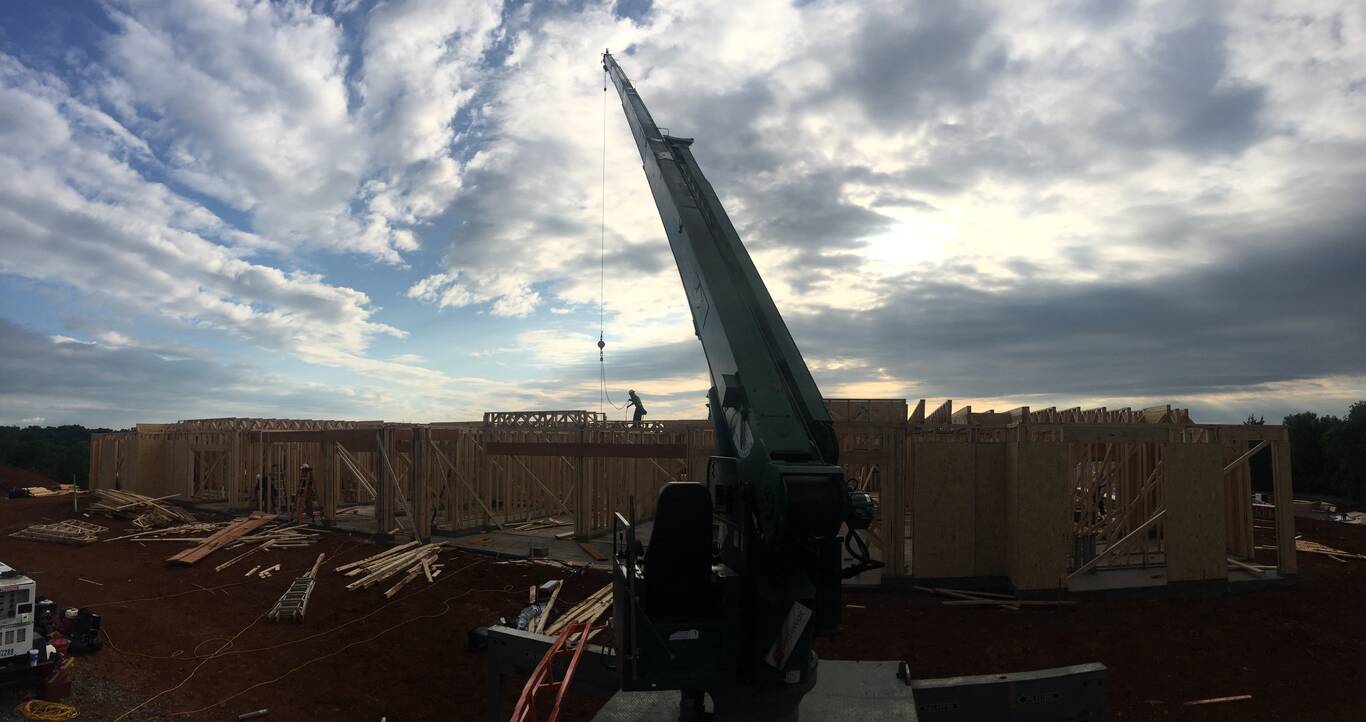
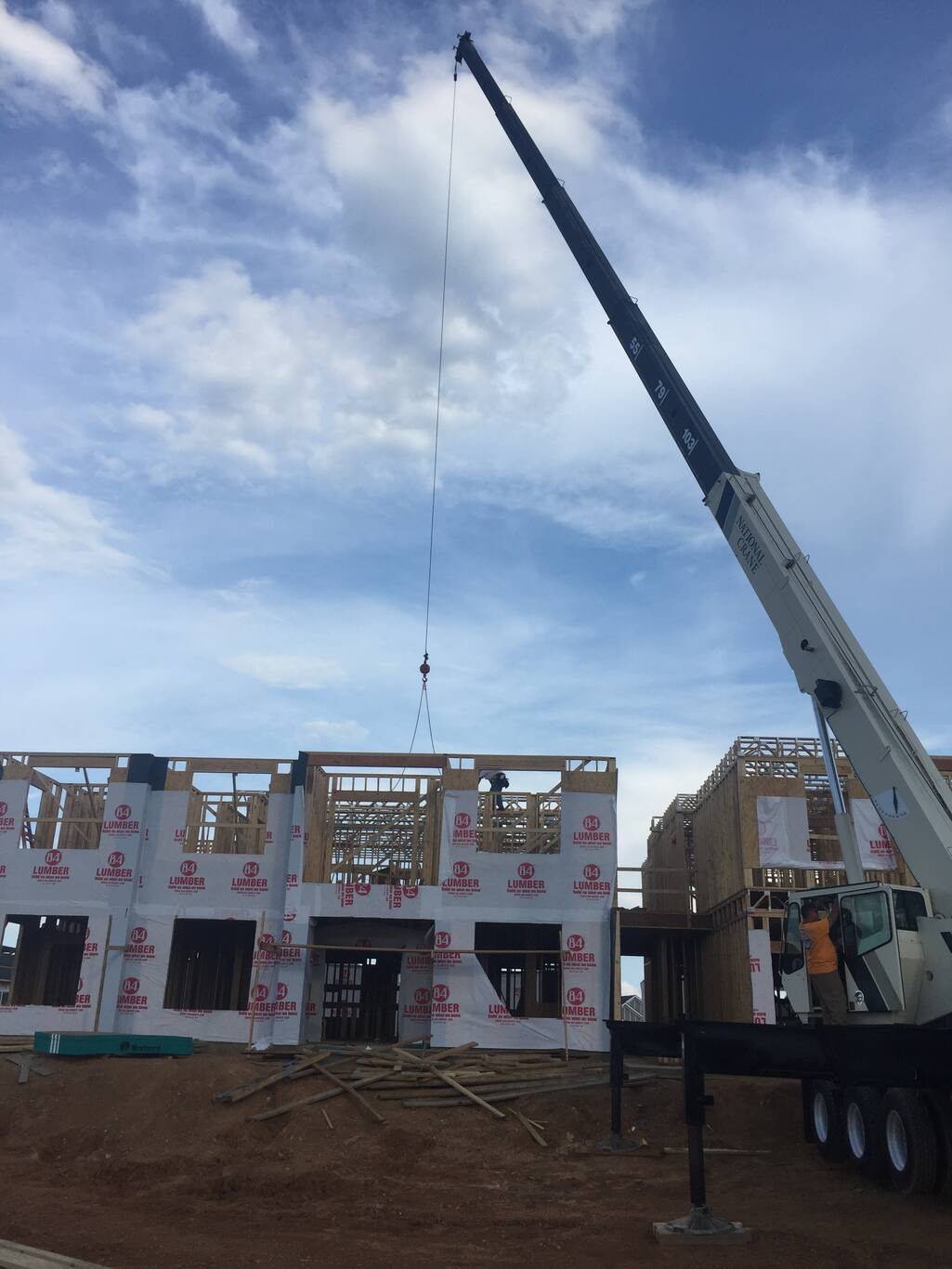
    Setting trusses and beams

    Lifting roof trusses or structural steel by hand is slow and risky. A crane places them precisely and safely.

    Tight-access placements

    Pools, hot tubs, and rooftop units often have to travel over a house or fence. That is exactly what a crane is for.

    Anything heavy or awkward

    If a load is heavy, high, or hard to reach, a short crane call usually beats a long day of muscle and improvisation. Not sure if you need one? Ask our team.
  • Crane Safety: What Every GC Should Expect From Their Operator

    Crane Safety: What Every GC Should Expect From Their Operator

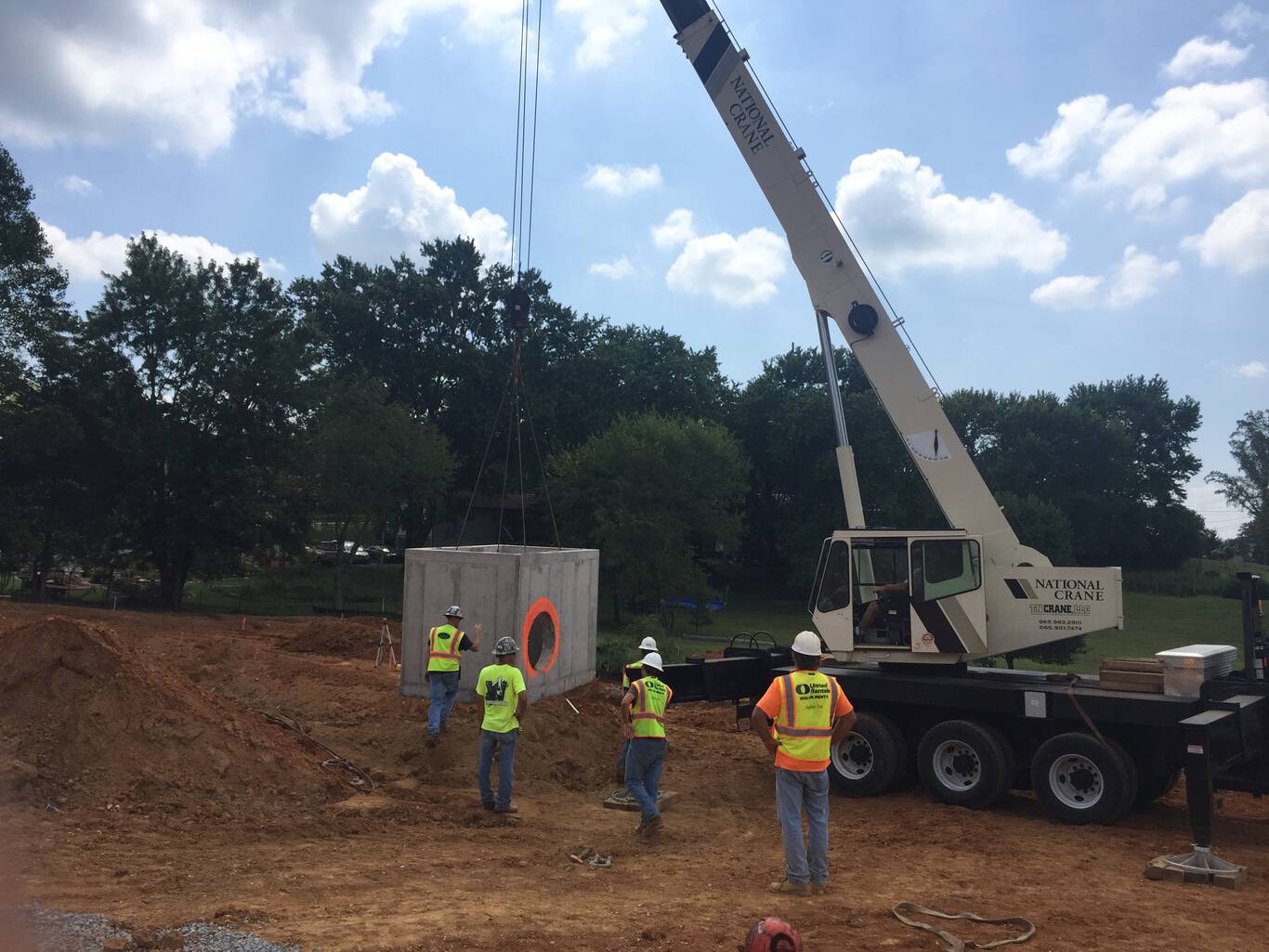
    Bringing a crane onto an active jobsite adds capability and responsibility. A professional operator plans the lift before the crane ever leaves the yard.

    A lift plan, every time

    Load weight, radius, ground conditions, and overhead hazards get checked in advance, not on the fly.

    The right crane for the load

    Matching the crane to the job is a safety decision as much as a cost one.

    Clear communication and rigging

    Good operators talk with your crew, set the exclusion zone, and rig every load properly.

  • 6 Lifts You Might Not Know a Crane Can Handle

    6 Lifts You Might Not Know a Crane Can Handle

    People picture cranes on big commercial builds, but they earn their keep on all kinds of jobs across East Tennessee.

    1. Roof and floor trusses

    Set safely and precisely, no matter the pitch.

    2. Rooftop HVAC units

    Placed cleanly without risking the roof or the crew.

    3. Pools and hot tubs

    Lifted over fences and houses into tight backyards.

    4. Structural steel

    Beams and columns set for residential and commercial builds.

    5. Tree removals

    Large limbs and trunks lowered under control.

    6. Specialty loads

    Odd, heavy, or hard-to-reach items are our specialty.